Why Your Door Sticks in Boston Humidity — and How a Handyman Fixes It
Published July 2026
Every July we get the same call. The bedroom door that closed fine in February now needs a shoulder. The back door won’t latch unless you lift the knob. The bathroom door drags across the top corner and leaves a scuff mark on the frame.
It’s the most common handyman problem in Boston, and we have the numbers to back that up. Of the 414 handyman jobs we’ve completed since June 2023, 56 of them involved a door — roughly one in seven, across 39 different properties. Doors are our number one job.
Here’s what’s actually going on, and how a handyman decides between the cheap fix and the real fix.
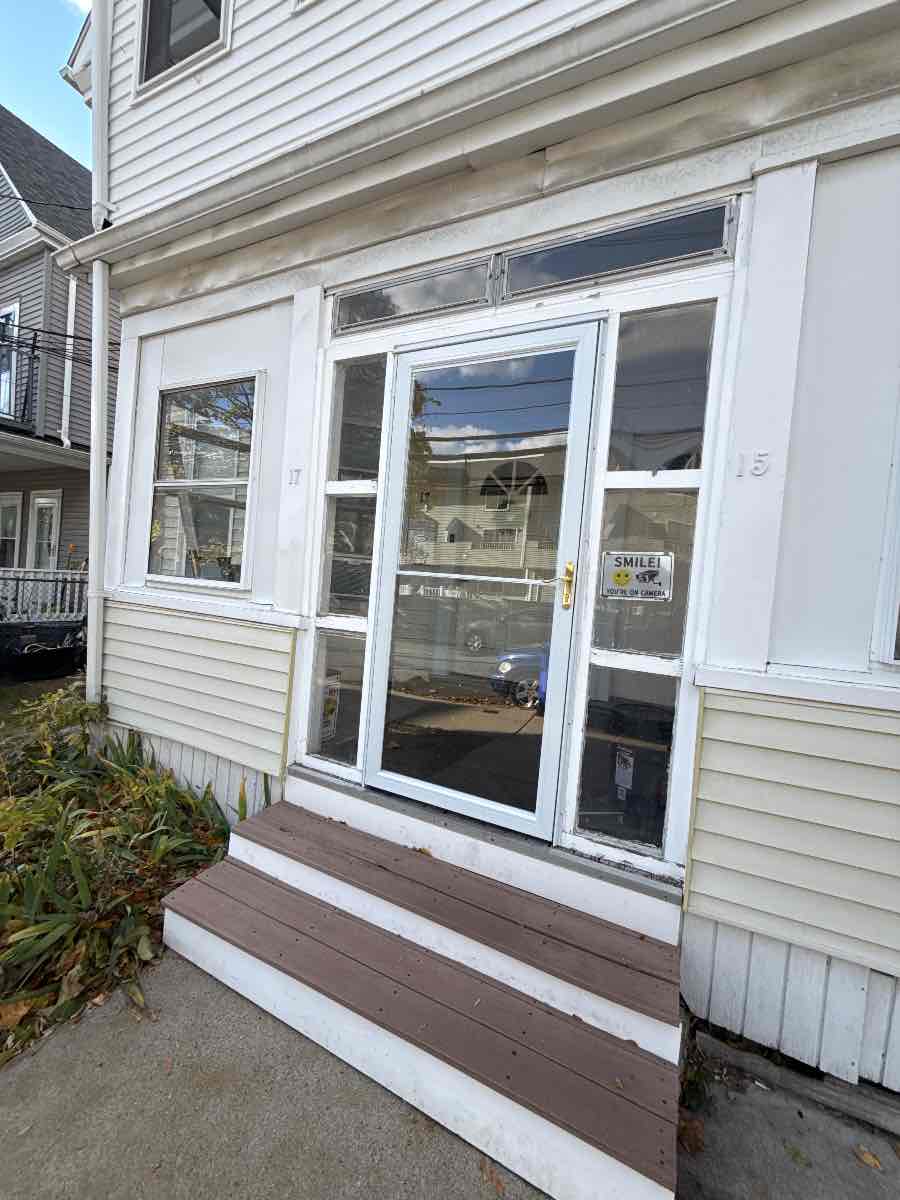
Why summer is door season around here
Wood absorbs moisture from the air. In a Boston July, indoor humidity in an un-air-conditioned triple-decker or older two-family can sit above 60%, and a solid wood door swells — not much, but a door only needs to grow about an eighth of an inch to stop clearing its frame. In January, when the heat is running and the air is dry, that same door shrinks back and closes fine.
Boston’s housing stock makes it worse. A lot of what we work on was built between 1890 and 1930: real wood doors, plaster walls, and frames that have shifted with a century of freeze-thaw cycles. Newer hollow-core doors barely swell at all — but their hinges and hardware still loosen.
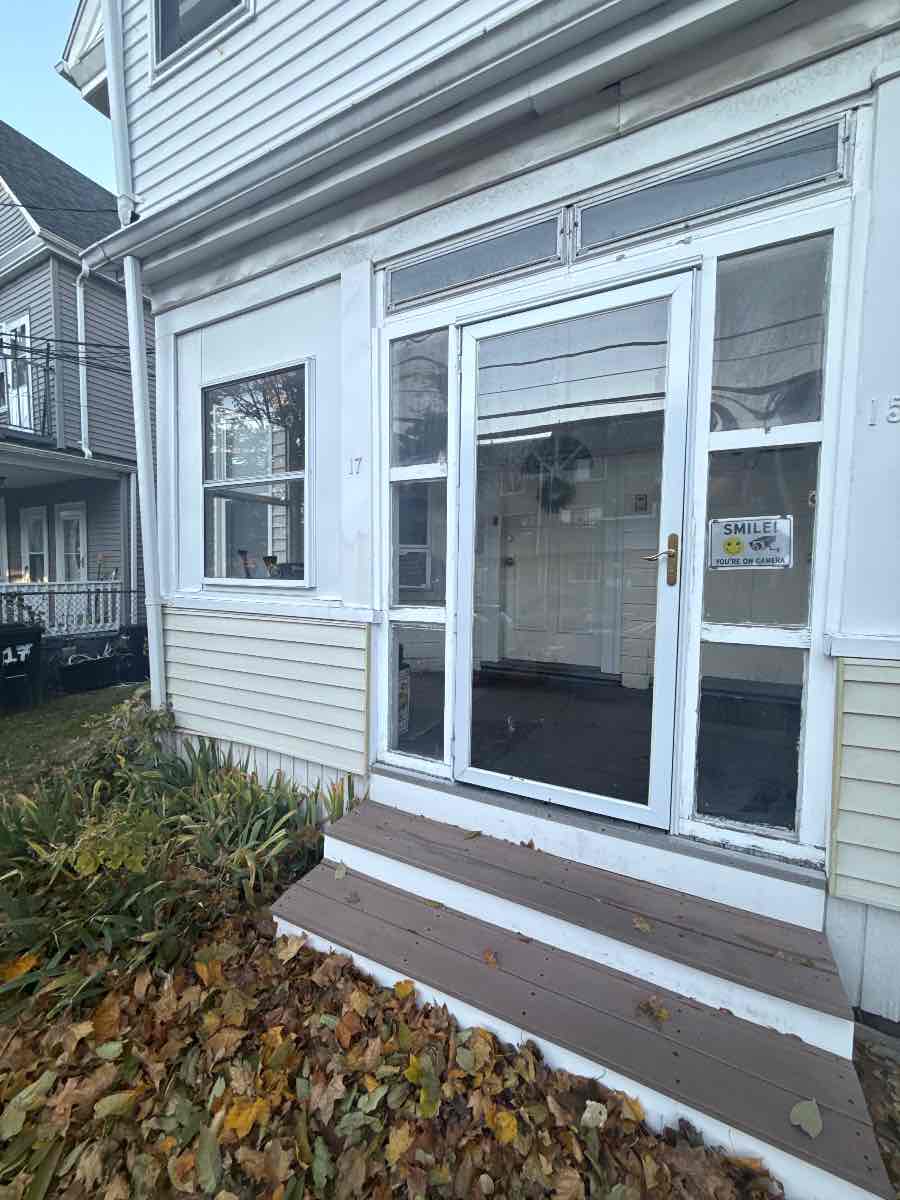
First, find out where it’s rubbing
Before anyone touches a plane or a screwdriver, figure out where the door is binding. This takes two minutes and it decides the entire repair:
- Close the door slowly and watch the gap all the way around. The gap should be even, about the width of a nickel.
- Look for a shiny or scuffed spot on the door edge or the frame — that’s your contact point.
- Slide a dollar bill along the gap. Where it won’t pass, that’s where it’s tight.
Then read the pattern:
- Tight at the top of the latch side — almost always loose hinge screws. The door has sagged.
- Tight along the whole latch edge — swelling, or paint buildup.
- Tight at the bottom corner on the hinge side — the frame has moved; the house has settled.
- Closes fine but won’t latch — not a sticking problem at all. It’s the strike plate.
Fix 1: Tighten the hinges (start here, it’s free)
This is the single most common cause and the one homeowners skip. The top hinge carries most of the door’s weight, and over years of slamming, the screws pull out of the frame. The door tilts, and the top corner on the latch side starts dragging.
Test it: grab the knob and lift the door. If it moves at all, your hinges are loose.
The fix is to replace the short screws in the top hinge with 3-inch screws that reach past the door jamb and bite into the framing behind it. Short screws only grip the jamb, which is thin trim wood — that’s why they let go. If the screw holes are chewed out, we pack them with glued wood shims or golf tees, let it set, and re-drill.
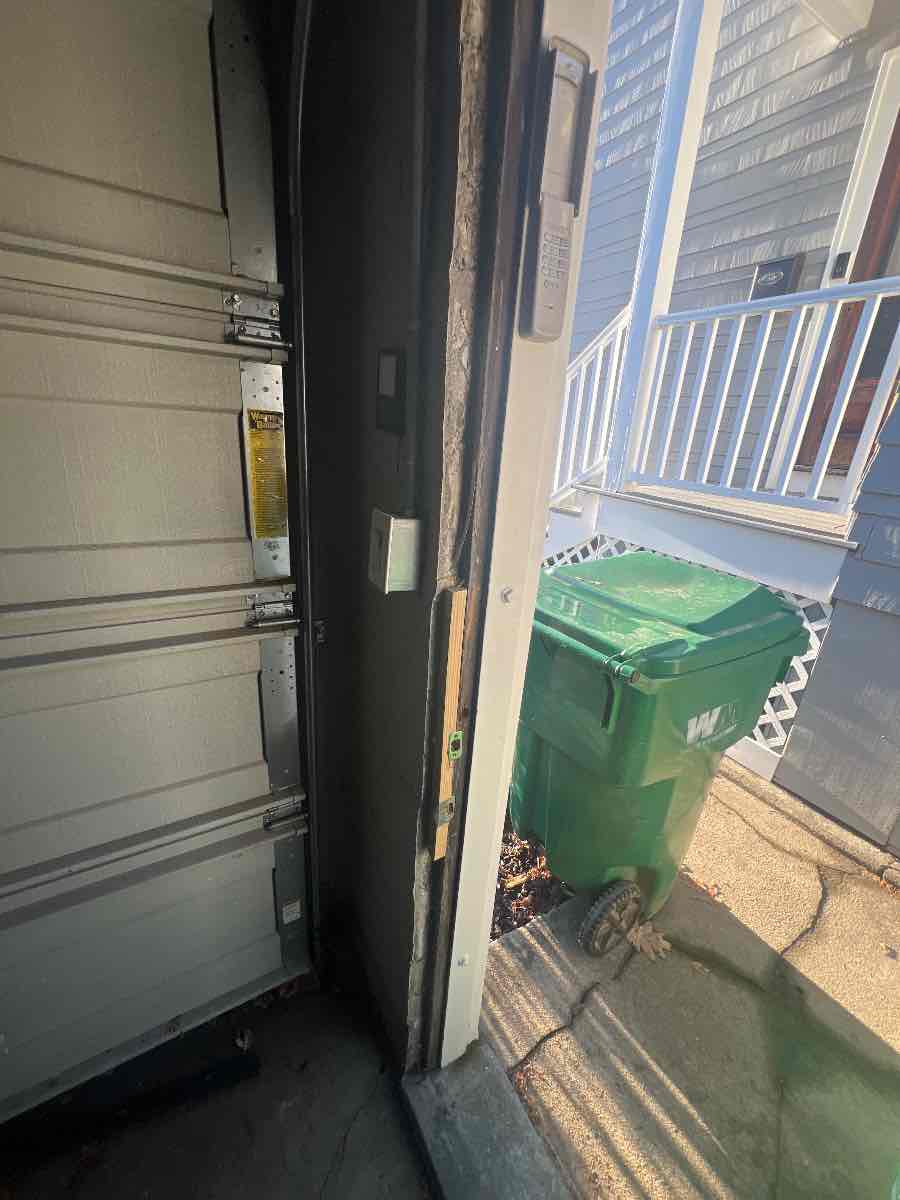
Done right, this pulls the door back into square and the rubbing disappears. No sanding, no repainting, and it holds. We do this on a lot of visits and it takes about 15 minutes per door.
Fix 2: Adjust the strike plate
If the door swings shut but the latch won’t catch — or you have to lean on it to turn the deadbolt — the latch and the hole in the strike plate no longer line up. Usually it’s off by less than a sixteenth of an inch.
Sometimes you can just loosen the strike plate, shift it, and re-tighten. More often we file the opening slightly larger or move the plate and fill the old screw holes. Either way it’s a small job, and it’s the right one — planing the door would do nothing for a latch problem.
Broken and seized locks are their own category. We’ve replaced plenty of failed entry-door and back-door locks in apartment buildings where the lock turns but no longer retracts the bolt. If your door is currently staying locked because the mechanism gave up, that’s a lock replacement, not a door adjustment.
Fix 3: Strip the paint buildup
On old doors that have been painted five or six times, the paint itself is the problem. Every coat adds thickness to the door edge and the frame, and eventually there’s no gap left. You’ll see this on doors that stick year-round and have visible paint ridges along the edge.
The fix is scraping and sanding the built-up edge back down, then repainting just that edge. It’s cleaner than removing material from the door and it doesn’t leave you with a permanent gap in winter.
Fix 4: Plane or shave the door (last resort — and why)
Trimming the door is the fix most people jump to, and it’s the one we hold back on. Here’s the tradeoff: if a door is swollen from summer humidity and you shave a quarter inch off the edge in July, come January that door has shrunk and lost material. Now you have a drafty gap, a door that rattles, and on an exterior door, a real heat loss problem.
So we plane a door when:
- The hinges are tight and the door still binds — meaning the frame itself is out of square, which is permanent.
- The door sticks in all seasons, not just summer.
- It’s a new door being fitted into an old frame. This is common in Boston — you buy a standard-size slab and the 1910 opening isn’t standard anymore.
- The door drags on new flooring or a thick rug, where the bottom needs to come up.
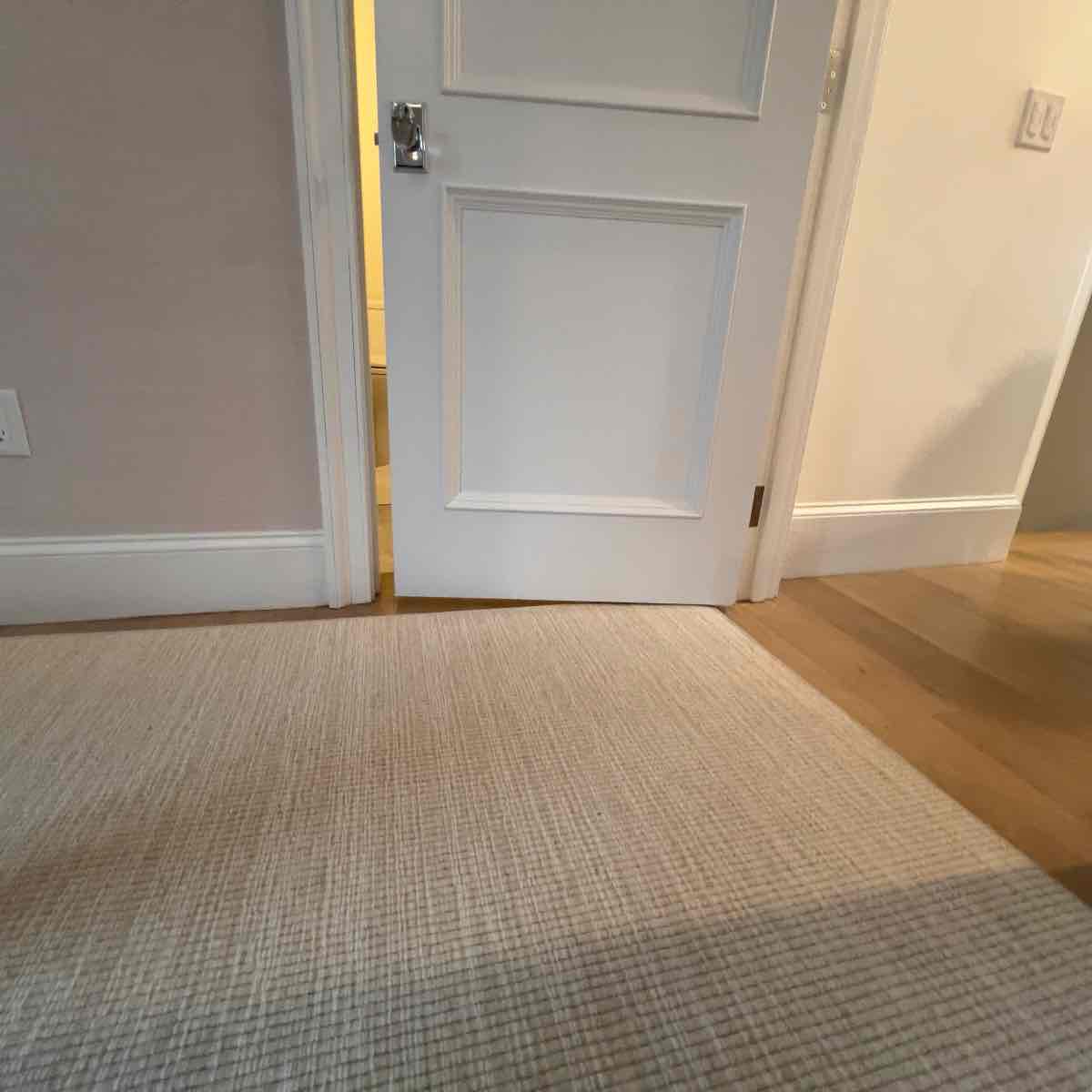
When we do plane, we take the material off the hinge side where possible, work in small passes with the door on sawhorses, and seal and paint the fresh edge the same day — bare wood soaks up moisture and swells right back. That last step gets skipped constantly on DIY jobs and it’s why the door sticks again the next summer.
For a door that only drags at the bottom, a table saw and a straight edge does it cleanly. We bring our own saws for this.
When the door is past fixing
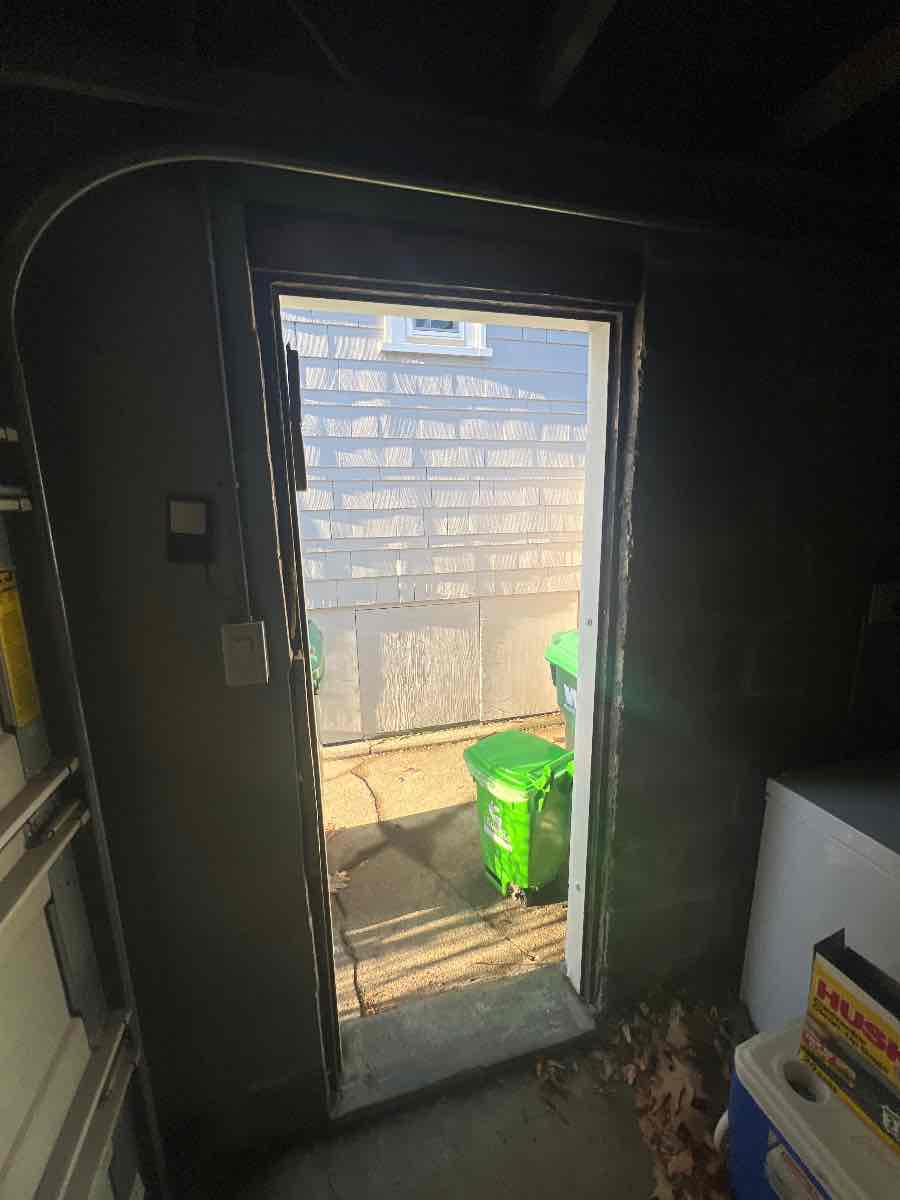
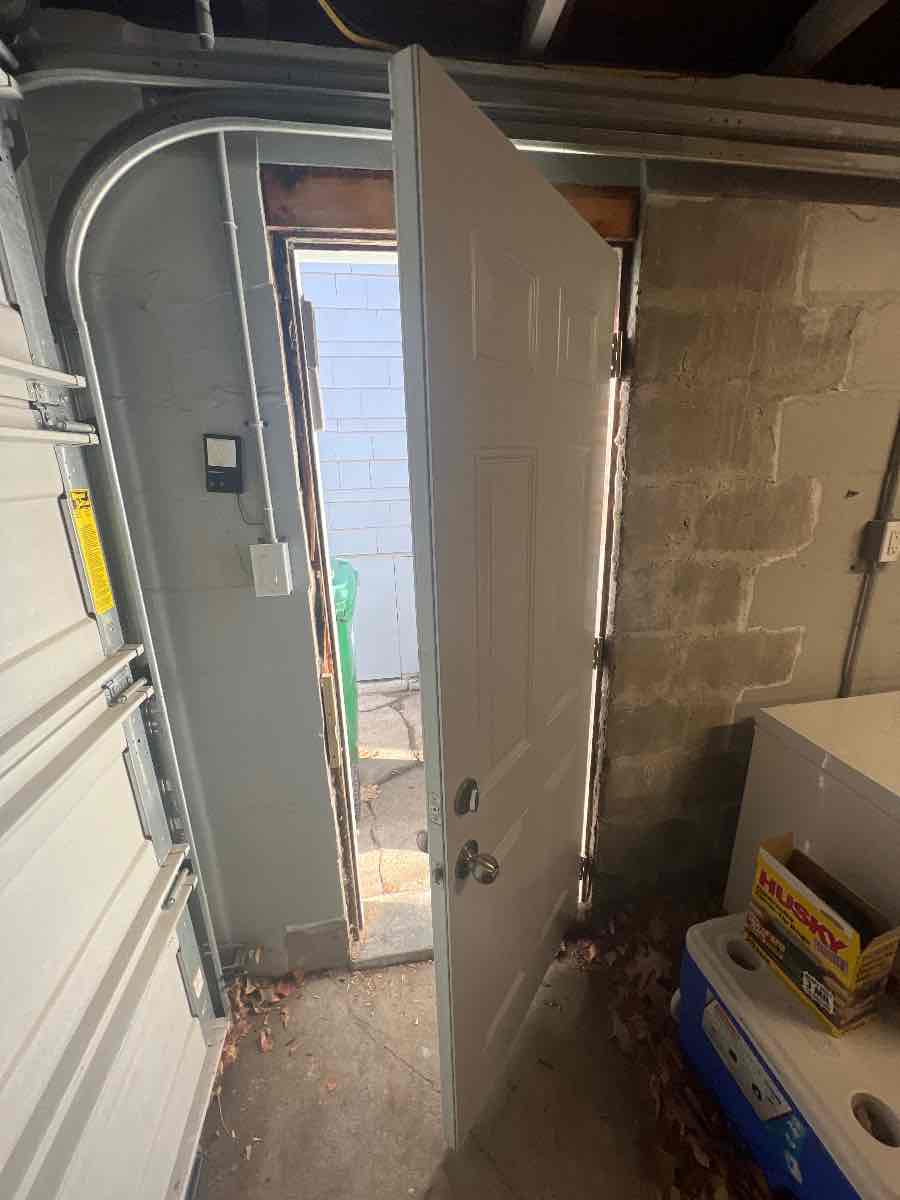
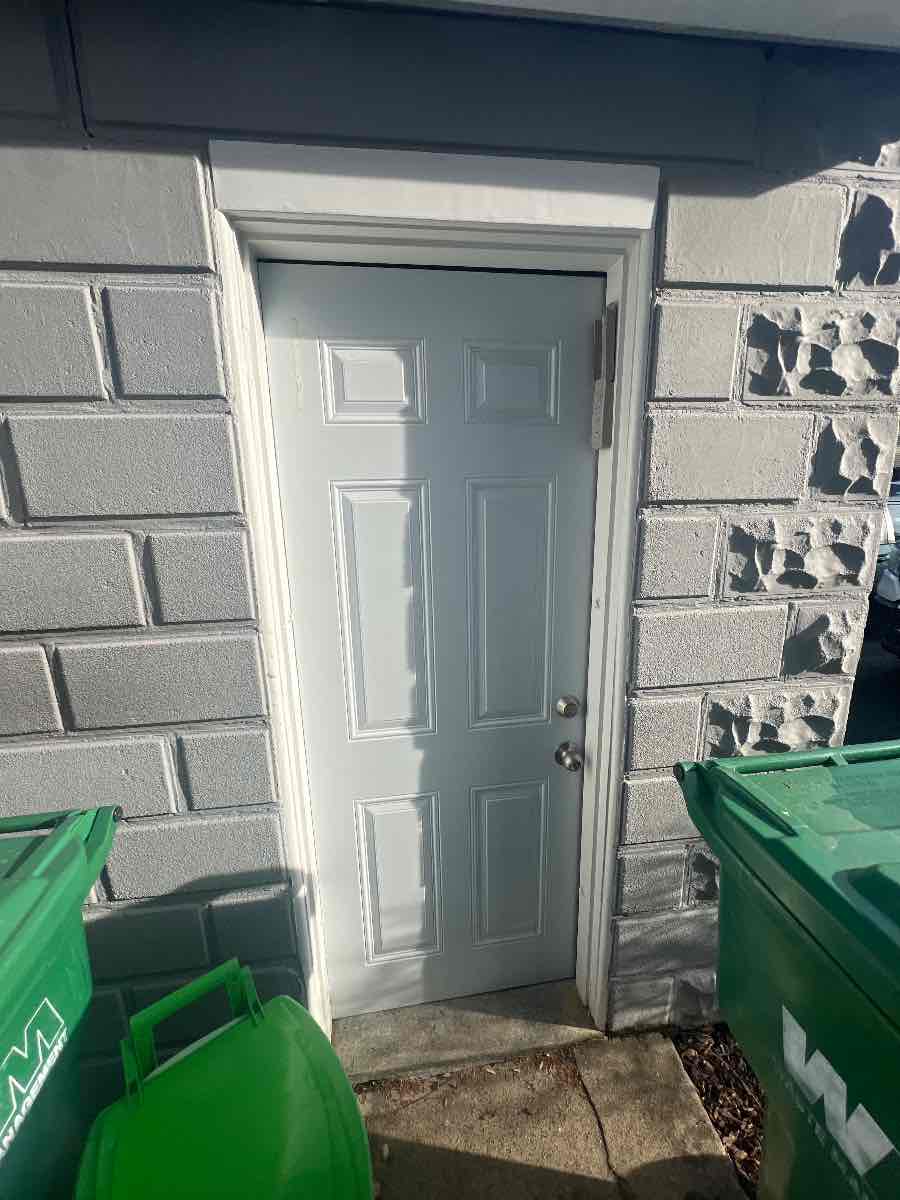
Sometimes the honest answer is that the slab is done — rotted at the bottom, delaminating, or so far out of square that adjusting it is throwing good money after bad. Replacing a door is a half-day job: pull the old slab and frame, check the opening for plumb, hang the new one, and re-trim.
The other doors people call about
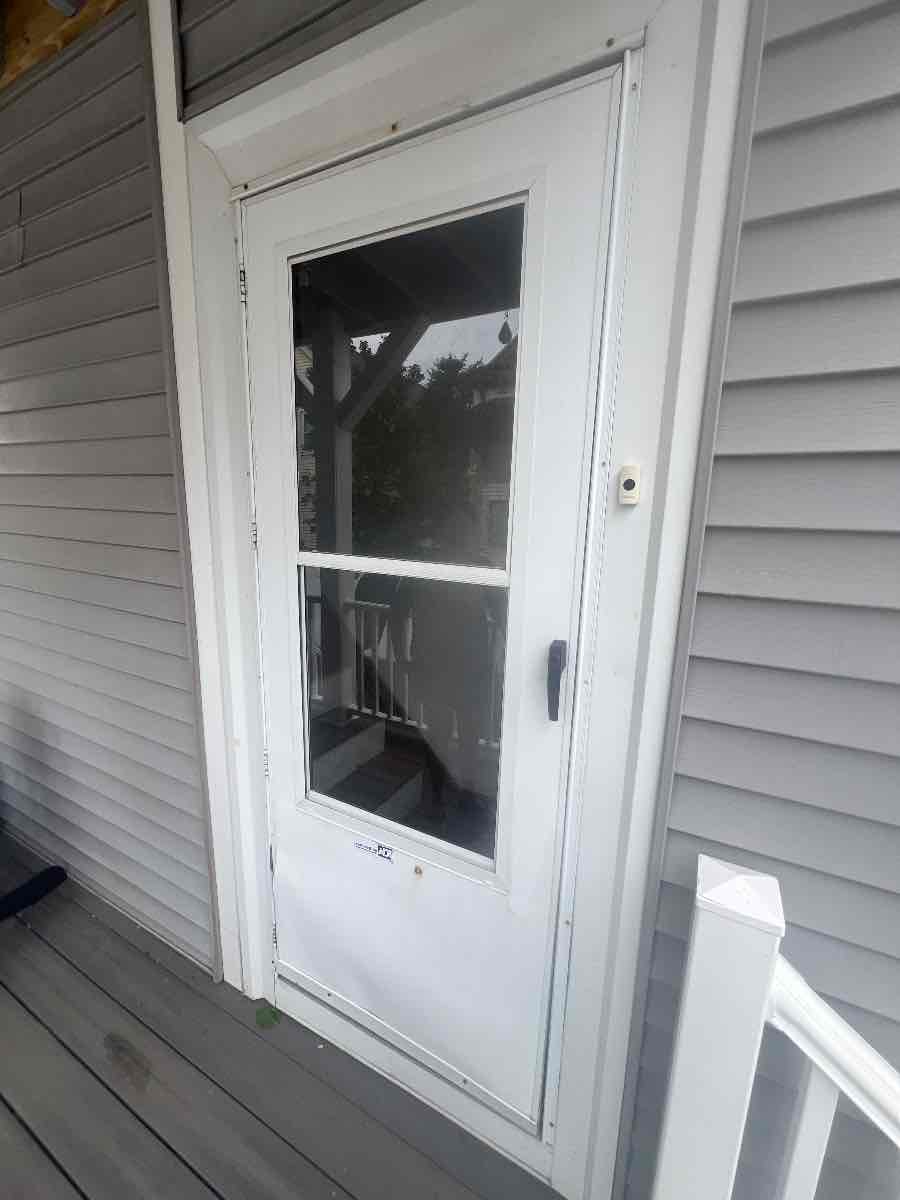
Storm doors. Common on Boston two-families and worth doing right — a bad storm door install means a door that won’t shut in wind or a closer that rips out of the frame. We’ve quoted and replaced them in sets on multi-unit properties.
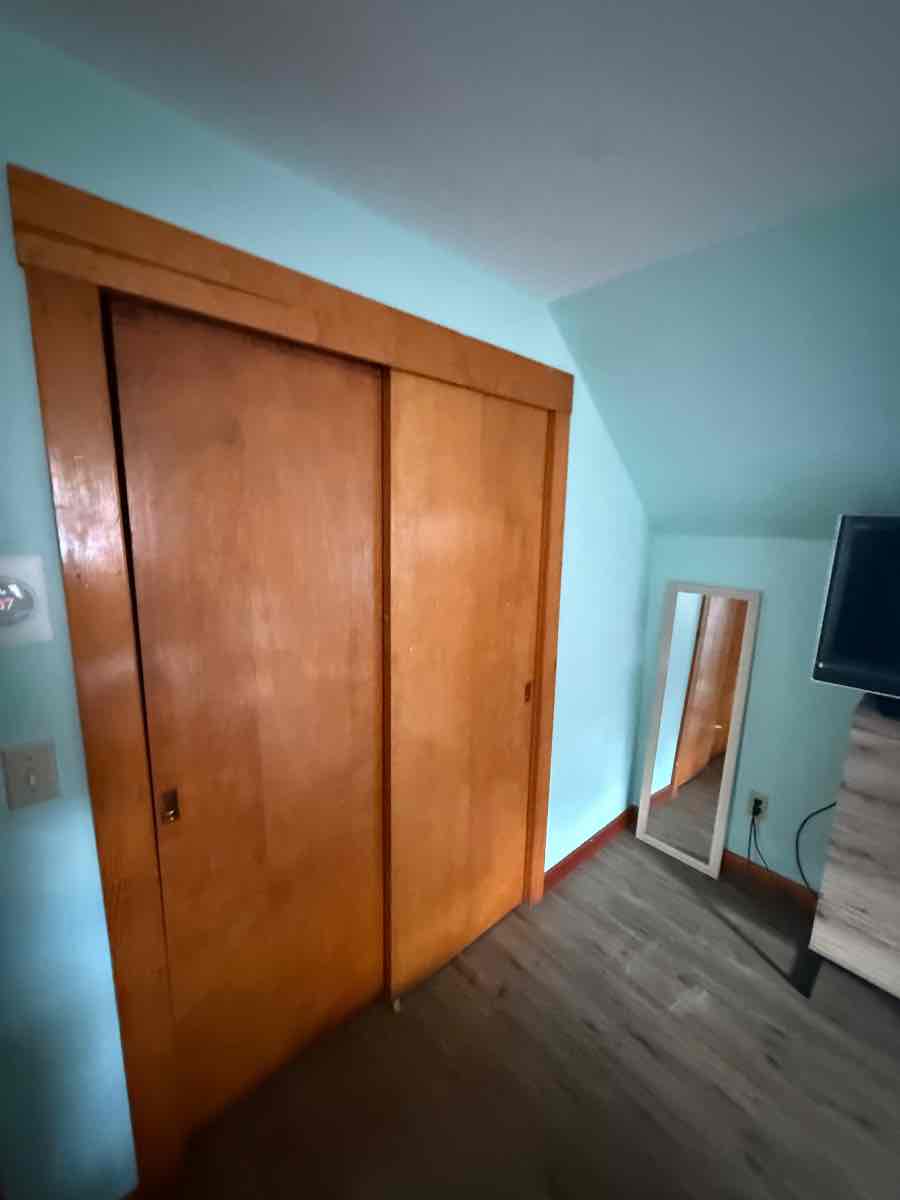
Sliding, bifold, and closet doors. These come off their track and get forced back on, which bends the track. Usually it’s a pivot pin, a bent track, or a worn roller — all replaceable for a few dollars in parts. Old bypass closet doors in Boston houses are often original to the building and worth repairing rather than replacing.
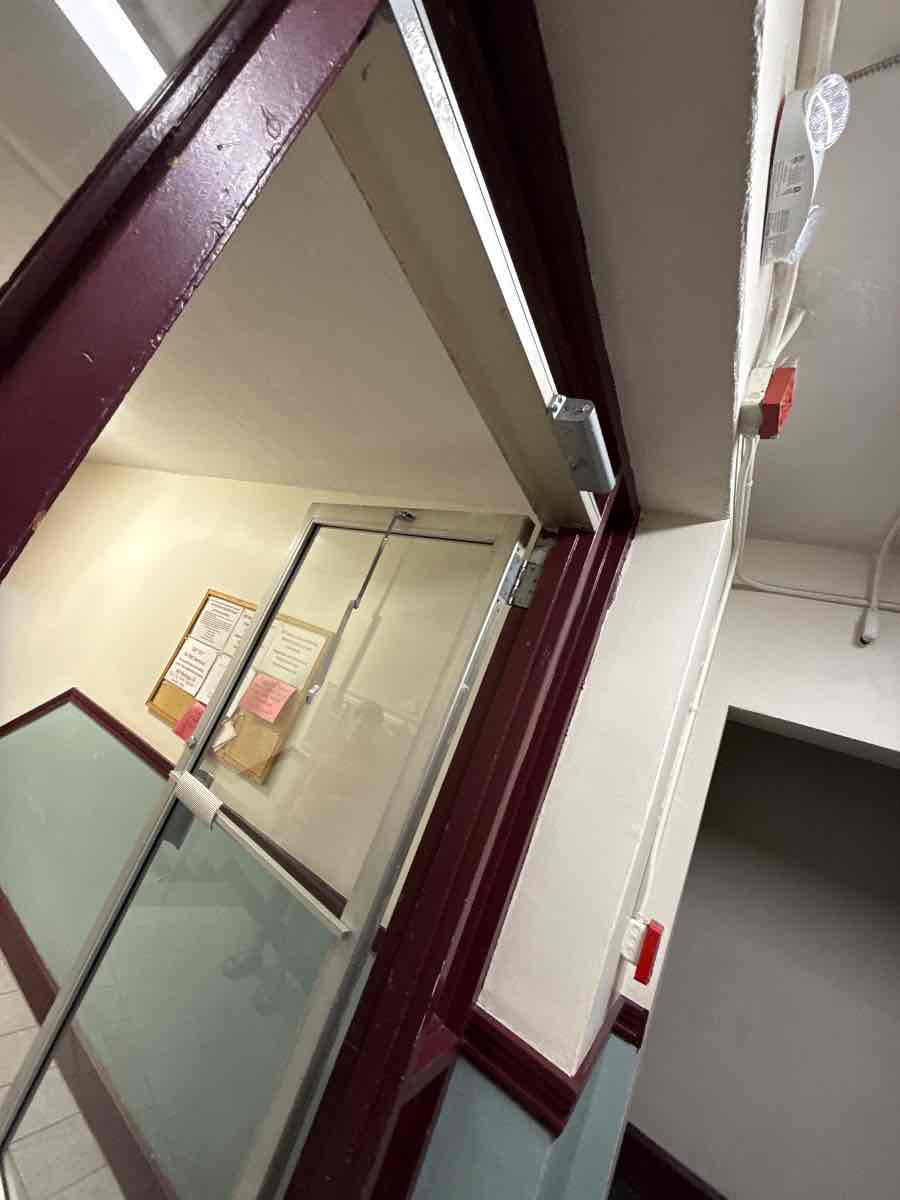
Doors that won’t stay closed. Often a failed door closer or a sagging hinge, not the door. Roof-deck and common-entry doors take the worst weather and fail first.
Exterior doors that stick and leak air. Fix the sticking first, then replace the weatherstripping and add a door sweep. Doing the sweep before the door is adjusted just means adjusting it twice.
What this costs and how a visit works
Most door problems are under an hour of work. Because of that, doors are almost never worth booking on their own — if you have a sticking door, walk the property first and make a list. On a typical visit we’ll fix two or three doors, patch a couple of drywall holes, swap a light fixture, and re-hang a curtain rod in the same trip. You pay for the time, not the trip.
If you’re a landlord or managing a small building, that’s the whole model: send us a list, we work through it in one visit, and you get before-and-after photos of every item without having to be there. A good share of our work is exactly this — turnover punch lists and common-area repairs on Boston rental properties, coordinated by text and lockbox.
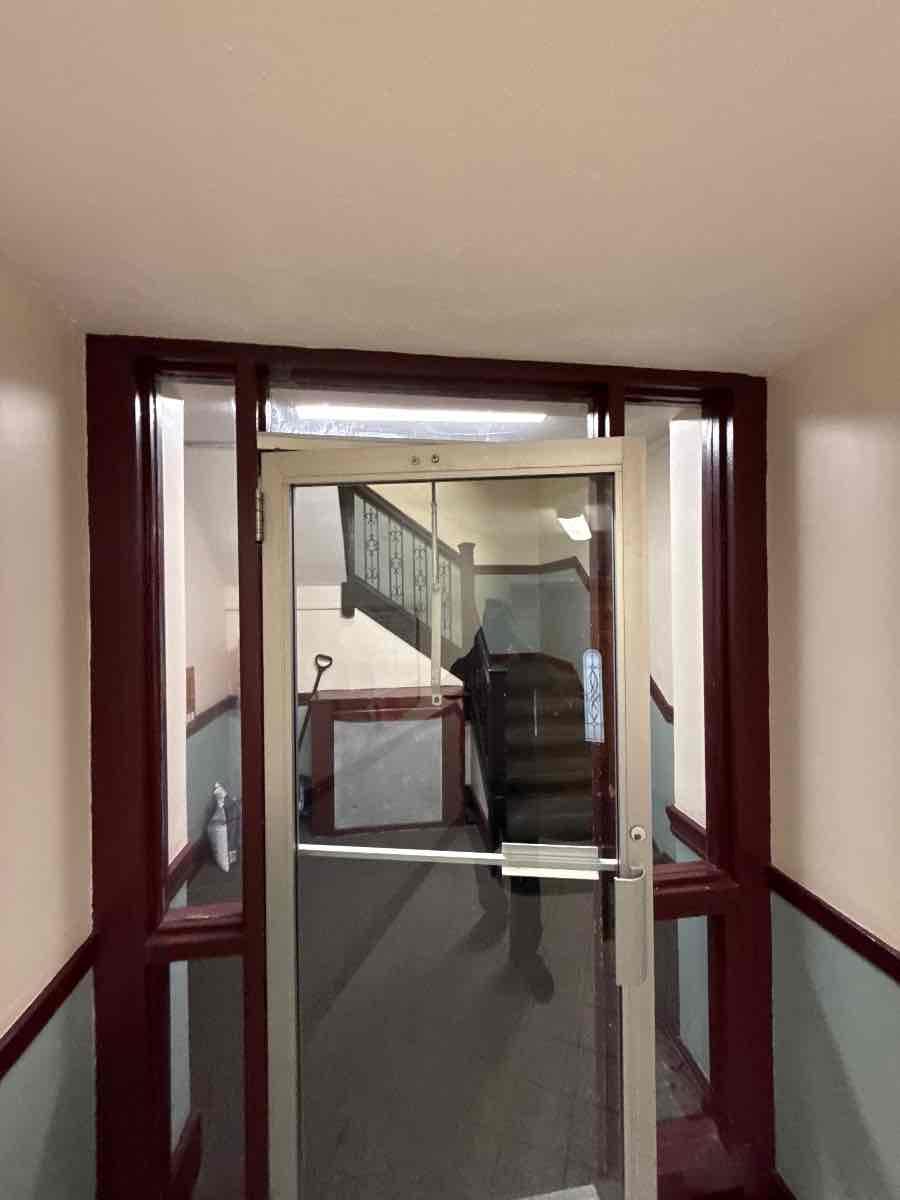
One thing that speeds up any door job: send a photo of the door closed, close enough to see the gap around it. Nine times out of ten we can tell you from the photo whether it’s a hinge, a strike plate, or a planing job — and bring the right tools the first time.
Need a door fixed?
We handle door repairs and installs across Greater Boston — Cambridge, Somerville, Medford, Arlington, Belmont, Brookline, and the surrounding towns. Every job is documented with before and after photos. Request a free quote on our website or give us a call: